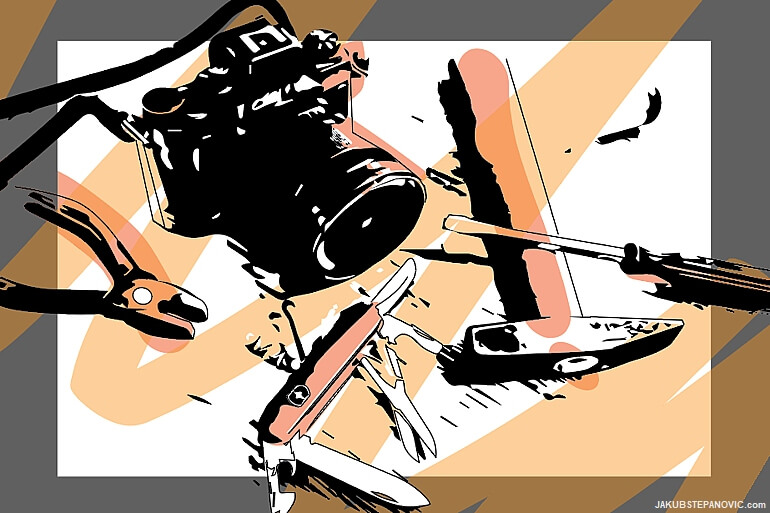
…master of none? A take on specialization and perfectionism.
One definition of success I frequently heard as a kid was that it means to become a world cup champion, a celebrity, a Nobel Laureate... "the one." In elementary school, they told me to look at the others to find my niche. It all sounded legit, but it has lots of problems that I learned the hard way. The issue is that we are unlikely to have a personal chat with representatives of all careers, stages of life, and hobbies. As a result, we seek to fill the gaps from third parties, which can twist the story. Strangers throw at us their ideals of success, either in person or through TV and other media, and if we accept them without thinking, we often end up with a problem.
Not rarely do people feel like losers when they don't achieve the vision established by the school, the family, or the media. Many look up to some pop idol they never met in person and then feel inadequate when they can't match their lifestyle. The advertisers add further burdens by showing that happiness equals a big house, a fancy car, an expensive vacation, various beauty ideals, diets, or whatever else they try to sell. But honestly, how many kids are going to afford an oceanside mansion in Sagaponack? Not many. Nor will they become an Olympic medalist. That, however, doesn't necessarily mean they failed. The miserable feeling of failure is valid only if we stick to those imposed values.
So far, my professional life didn't exactly fit in one specific niche. The photos below show me in some of the different roles, and there were more*. My hobbies followed: I ride bikes, occasionally walk on a tightrope, and play with synths, but neither is exceptional. Same with my accent, which is not spotless in any language, as I often move between countries. I could continue all day long. Across areas of my life, that "master of none" was true. Or was it? Ditching the stress of others' standards and forming our own expectations can put our lives in a different light. Suddenly, I don't mind my accent because I can get my message across multiple countries. Thanks to training balance on a tightrope, I didn't fall on ice in years, and I no longer have a backache. I won't clear a 10-meter gap on a bike, yet that's fine because I find even an easy trail exciting. I won't be the next Eno but making noises with synths put a smile on my face. And isn't that what it should be about?
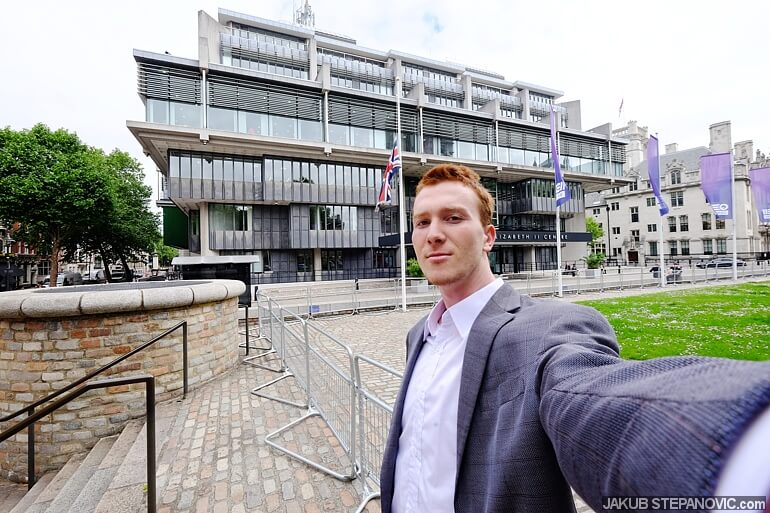
Finding our position isn't always easy, but searching for it benefits every standpoint, not just career paths or hobbies. We should question what we are told — only such practice can lead to improvement. Look at the people who push the limits of sports. They do something previously considered impossible: beating a certain time or pulling a specific move — they question that impossibility and think, "I'll try anyway." It applies to science, too. Before the atoms' existence was mathematically proven, some scientists claimed that it doesn't exist because "we can't see it." Yet, it didn't stop Einstein from questioning it and now we know better.
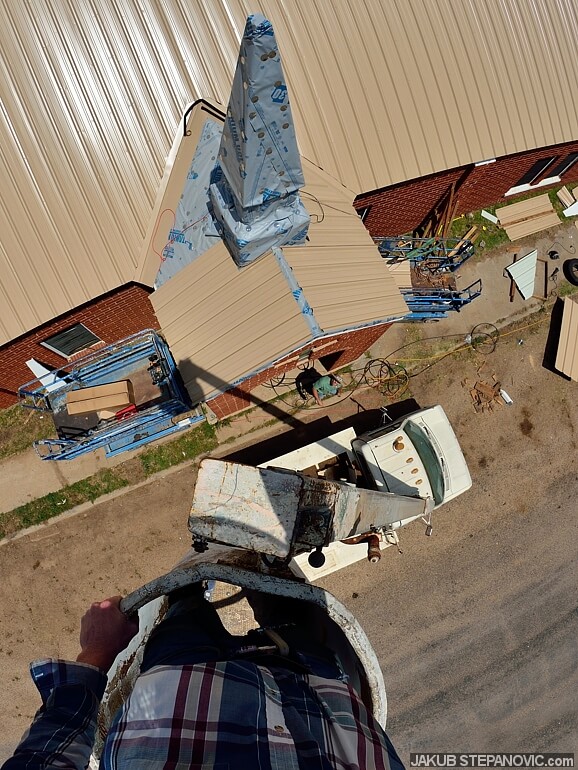
No need to aspire to solve the universe; plenty of everyday concepts deserve questioning because they can be subjective. Colors for instance, let's say that someone's favorite color is bright green. While it might look great on many things, it would be a bit odd if you'd see someone with bright green teeth. It all depends on the context.
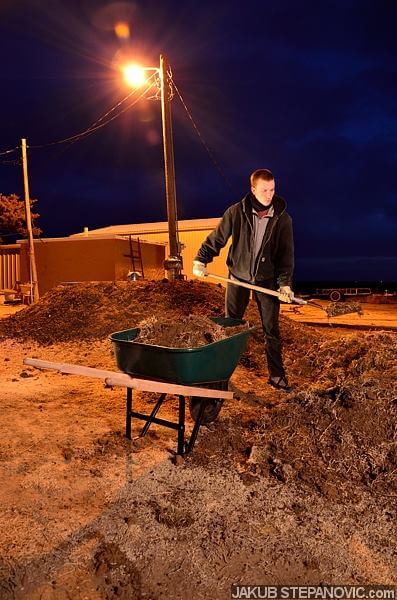

I found that many answers end with "it depends," which isn't always regarded well. A clear "yes" or "no," sounds more confident, and the polar approach can form an easy identity. But it just isn't that simple. The issue with all-in yes or no is that it often creates a sense of us-versus-them, and either focuses only on the negatives or closes eyes to wrongdoings. Both aren't doing any good. Examples of people seeing just one side are endless. Take religion, for example. How much better the world would be if people would just believe in their narrative, didn't force their version on others, and wouldn't judge them if they decide to stick to something else. Instead, cemeteries worldwide are full of people who died because of their faith. Imagine if, instead, when someone says that they have a different belief, others would ask why and be willing to listen rather than automatically assuming the position of either "good on you!" or "what a moron." If we seek a respectful, first-hand interaction with "the others," it often shows that they are great folks and dissolves many of the issues that divide the world today.
Suppose we don't limit ourselves to just that one affiliation. In that case, it is easier to find a fun event to attend nearby, it is easier to have an engaging chat with more people, and we can learn and understand more. The more fields and beliefs we can understand, the easier it is to find personal connections and independently form values. Such diversity also aids flexibility: if one thing becomes out of reach, there are plenty of other options. And finally, the more we can navigate the spectrum of the world around us, the more chances we have to find happiness, which in the end, is the ultimate success.
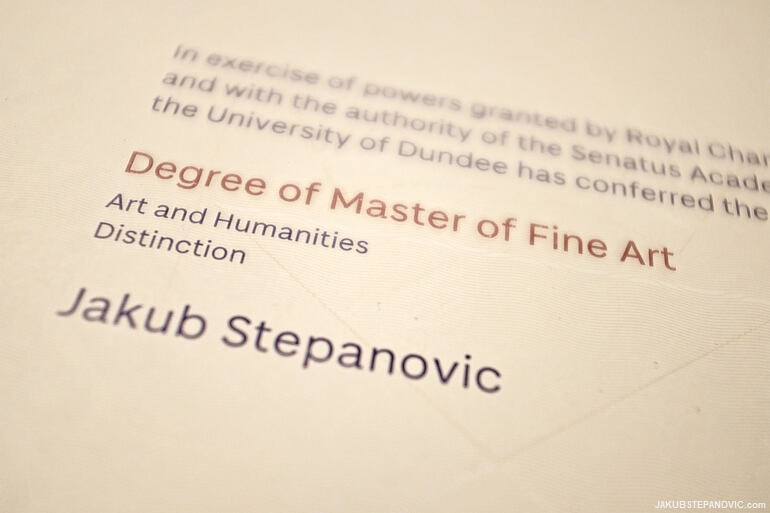
All this might sound simple, but it took me many years to realize it. And it was thanks to embarking on a route of changing places, communities, and systems. It opened many doors I would never consider otherwise, and it taught me to appreciate far more aspects than I used to. I know that my path wouldn't work for everyone, but I am confident that trying out different trades helped me become a better person. And as for the "master of none" part, I am now officially a master of some. I recently became a Master of Fine Art — something I once thought was out of my league because I was told so. But here we are. I questioned it and graduated with distinction. Learning is a lifelong event. Thank goodness.
* As far as I can recall, I was compensated for being an artist, archive admin, bike mechanic, blogger, cleaner, construction worker, driver, electrician, furniture assembler, gardener, go-abroad officer, graphic designer, handyman, house sitter, instructor of photography, journalist, maintenance worker, mover, painter, paperboy, photographer, roofer, shop assistant, speaker, tour guide, university's ambassador, and welfare support assistant.
Thanks for reading! If you have thoughts about this, get in touch. I appreciate others' standpoints. And if you liked this article, browse my Blog Archives for other posts, such as:
Where on Earth?
|
Midnight World
|
Comments are closed.